
If You Call Imran a Leader, Write the ‘L’ in Capital
97 Repoter: 97 Admin
Publish : 38 minutes agoUpdate: 1 second ago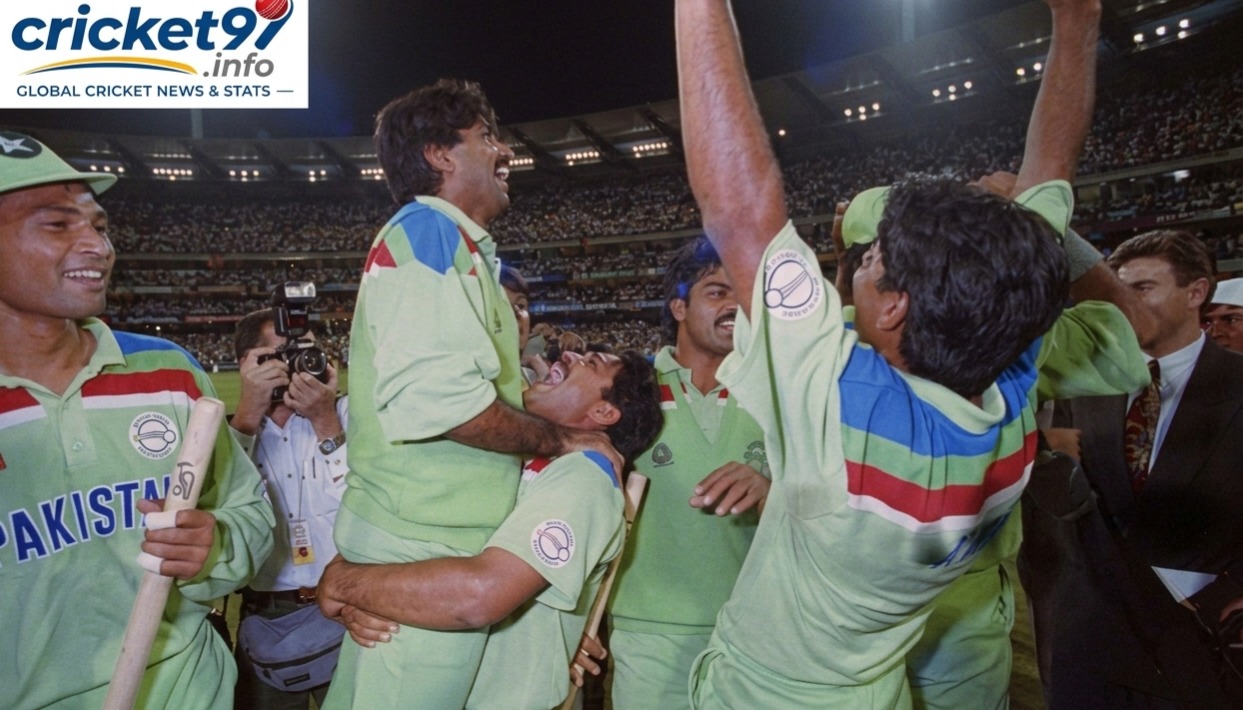
If You Call Imran a Leader, Write the ‘L’ in Capital
If You Call Imran a Leader, Write the ‘L’ in Capital
Let me take you back to the 1992 World Cup. Honestly, apart from Imran Khan, none of us believed that we could win the World Cup. I can still picture Imran walking into the dressing room before our match against Australia in Perth. We were all devastated. Yet within half an hour, he had transformed the entire team.
Suddenly, everyone started believing that we could win.
During that World Cup, I opened the bowling and often bowled my full quota of 10 overs. Our main bowling attack consisted of me, Wasim Akram and Mushtaq. We had only two genuine seamers. Imran had such a serious shoulder injury that I still wonder how he managed to bowl.
At that stage, Imran was primarily a bowler who focused on restricting runs. But what he demanded from us was simple: wickets.
He told us at the very beginning, “I still believe we can win this World Cup.”
We were stunned. We wondered if he was crazy. But his speech still rings in my ears.
He told us there was only one way to put the Australians under pressure—attack them. If we went into the match with a defensive mindset, Australia would destroy us. We had to attack them from the first ball. Two slips, a gully, bouncers, outswingers—everyone had to use whatever weapon they had.
He told me not to worry about restricting runs. He wanted wickets.
Then he started explaining how this match was only the beginning. If we beat Australia, we would beat Sri Lanka next. Then came New Zealand, a team we had beaten before. After that would come the semifinal and final.
He made us believe that winning the World Cup was possible.
We walked onto the field absolutely fired up. I had never felt so motivated before or since. When I stepped onto the field, I felt it did not matter who the batsman was. I believed nobody could play me that day.
The beginning of my international career
Around six months after the Under-19 World Cup, someone told me that Imran was looking for me. He wanted to take me to India for a charity match.
On the morning of the first match, Imran came up to me and asked, “You open the bowling, don't you?”
“Yes,” I replied.
He took the ball from me and arranged the field himself. One slip, a gully, square leg—the usual ODI setup. Then he asked whether I was happy with the field.
I told him, “No. I want the square-leg fielder at second slip because my deliveries move away.”
Sunil Gavaskar was at the striker's end.
At that age, Gavaskar or anyone else did not intimidate me much. Imran looked slightly surprised, smiled and said, “Okay.”
I took two wickets in that match. Both were caught in the slips.
After that tour, when I was selected for the national team, Imran kept his promise and took me to Australia. That was how my international career began.
The first time Imran noticed me
I still remember the first day I met Imran. It was early 1988, during an Under-19 training session. It was the camp for the first-ever Under-19 World Cup.
Mudassar Nazar and Imran watched me bowl in the nets. They asked my name, where I lived and other details. At one point, Imran told me, “If they don't select you, come and bowl in the national team's nets.”
I eventually made the Under-19 World Cup squad.
Every now and then, I remembered what Imran had told me. I wondered what had made him say it in the first place. Had Imran even remembered me?
He did more than simply motivate players
Imran never simply told us, “Go out there and destroy them,” and left it at that. He gave every player specific instructions.
To me, he would say, “I'm giving you two slips and a gully. Now show them your outswing. Throw in a bouncer occasionally.”
He called Wasim Akram over in front of me and told him, “Don't worry about no-balls or wides. Your job is to bowl fast. Make them feel the pressure.”
Waqar Younis was ruled out before the World Cup. Before that, whenever the three of us played together, Imran had one simple instruction for Waqar: bowl straight at the stumps.
What made Imran Khan different as a captain?
The best people to answer that question are those who played alongside him.
One of them was Aaqib Javed, a member of Pakistan's 1992 World Cup-winning team under Imran Khan.
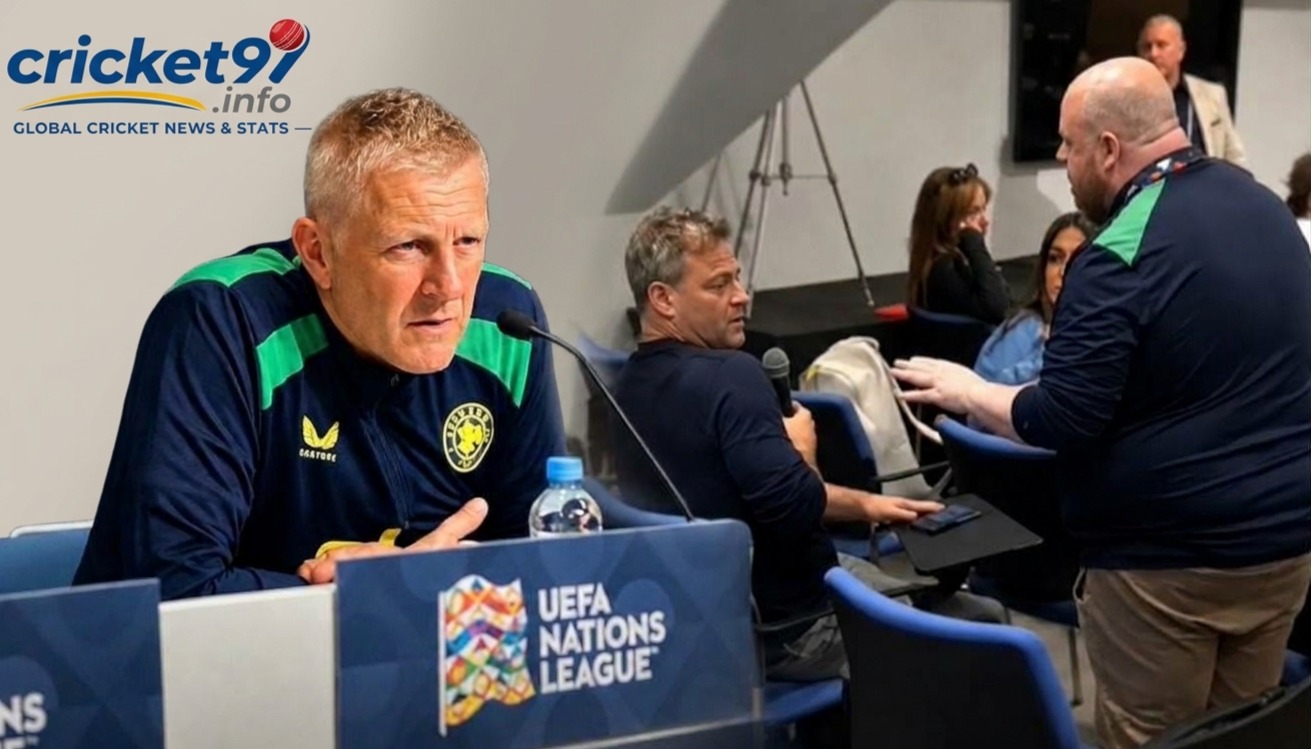
During the 2015 World Cup, Aaqib spoke to journalist Utpal Shuvro over breakfast at Melbourne's Langham Hotel. At the time, Aaqib was coaching the United Arab Emirates, who had been eliminated from the tournament.
But his most important identity was that of a fast bowler from Pakistan's 1992 World Cup-winning team.
When asked about Imran Khan, Aaqib's words are best presented in his own voice.
Imran through Aaqib's eyes
“Whenever I speak to anyone, they bring up the 1992 World Cup. As soon as I think about it, one face comes to mind—Imran Khan.
We won that World Cup because of that man.
Whenever people talk about Imran, they say he was a great leader, a tremendous motivator and so on. I would explain it more simply.
Imran Khan had three qualities: he was honest, he was brave and he was hardworking.
Those three qualities define Imran Khan. If you want to become a great leader, you must have all three.
If you are honest, people will respect you and listen to you. Being brave means you can make difficult decisions. And hard work—you can still see how tirelessly Imran continues to work.”
For Aaqib Javed, Imran Khan was therefore more than just a captain. He was a leader who used honesty, courage and hard work to make his teammates believe that even the impossible could be achieved.