
The memory of the Falklands War was behind the victory over England, reveals Lautaro
97 Repoter: 97 Admin
Publish : 58 minutes agoUpdate: 1 second ago
The memory of the Falklands War was behind the victory over England, reveals Lautaro
The memory of the Falklands War was behind the victory over England, reveals Lautaro
Beyond the sporting contest, the historical dispute between Argentina and England over the Falkland Islands played a significant role in Argentina’s victory during the 2026 World Cup semi-final. Argentine striker Lautaro Martínez revealed that, while the matter was not widely discussed in public, it stirred deep emotions within the squad. According to him, although the match might have appeared to outsiders as a standard football encounter, it held a much profounder significance for the players.
In the semi-final held in Atlanta on July 15, Argentina defeated England 2–1 to reach the final. Despite falling behind, Lionel Messi’s side managed to secure the win. Inter Milan forward Lautaro scored the decisive goal in the 92nd minute—a goal he dedicated to the Argentine soldiers who fought in the 1982 Falklands War.

"They taught us how to fight."
In an interview with AFA Studio, Lautaro reflected on the emotional weight of his goal. At one point, he was shown a video of a Falklands War veteran moved to tears while watching the goal celebration—a sight that left the Argentine star visibly emotional.
Lautaro said, "This was made possible because of them—the Argentine soldiers of the Falklands War. Given how they represented our country back then, the least I could do was dedicate this goal to them. They can now identify with this national team; it is a testament to what we have built."
He added, "Every award, recognition, and bit of praise we receive is thanks to them. They are the ones who taught us how to fight."
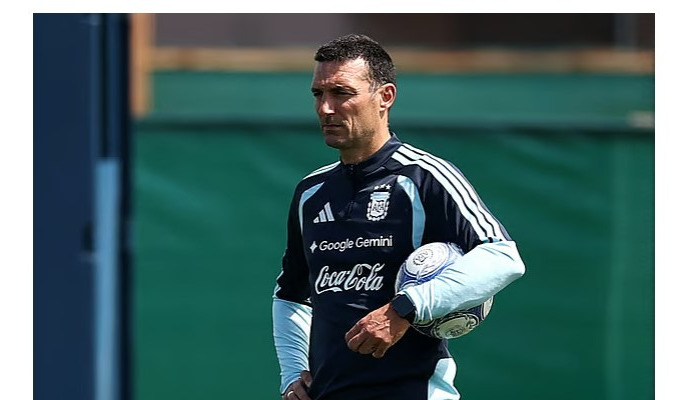
Before the match, head coach Lionel Scaloni preferred not to discuss the issue publicly, wishing for the encounter to be viewed strictly as a football match, rather than through the lens of historical memories or political conflict. However, Lautaro’s comments make it clear that the match against England carried an extra layer of emotional intensity within the team. In Lautaro’s words, "We had to conduct ourselves differently in front of the cameras because it was a football match. But internally, it was unlike any other game. It was special, given the entire history behind it." He added that the Falklands issue provided the team with extra strength and a positive boost.
Memories of the Falklands War and a Long-standing Dispute
The Falkland Islands are known in Argentina as the ‘Islas Malvinas.’ In 1982, a 74-day war took place between Argentina and the United Kingdom over control of the archipelago. The conflict claimed the lives of 655 Argentine and 255 British soldiers, as well as three island residents. By June of that year, British forces had regained control of the islands. However, the dispute between the two nations regarding sovereignty over the archipelago persists to this day.
Following the victory over England, the Falklands issue surfaced during the celebrations. Argentina’s Lisandro Martínez and Giovani Lo Celso held up a banner in front of the stands that read, "Las Malvinas son Argentinas"—meaning "The Falklands are Argentine."
It remains unclear where the banner originated, but FIFA launched an investigation into the incident, as the display of political messages in stadiums may violate the organization's regulations.
Realizing the Significance of the Goal After Returning Home
At the moment he scored against England, Lautaro did not fully grasp the significance of the goal. Caught up in the intense competition of the World Cup, the pressure of the match, and preparations for the final, he could not yet fully appreciate the emotional weight of his strike.
It was only after returning home and witnessing the reactions of the fans that the striker truly understood the importance of the goal.
"It is a memory I will cherish forever," Lautaro said.
He further shared that upon returning home and meeting with fellow Argentines, many thanked him for the goal—a moment that made him realize just how meaningful that goal had become to the people. Defeat in the Final, but Argentina Gave Their All
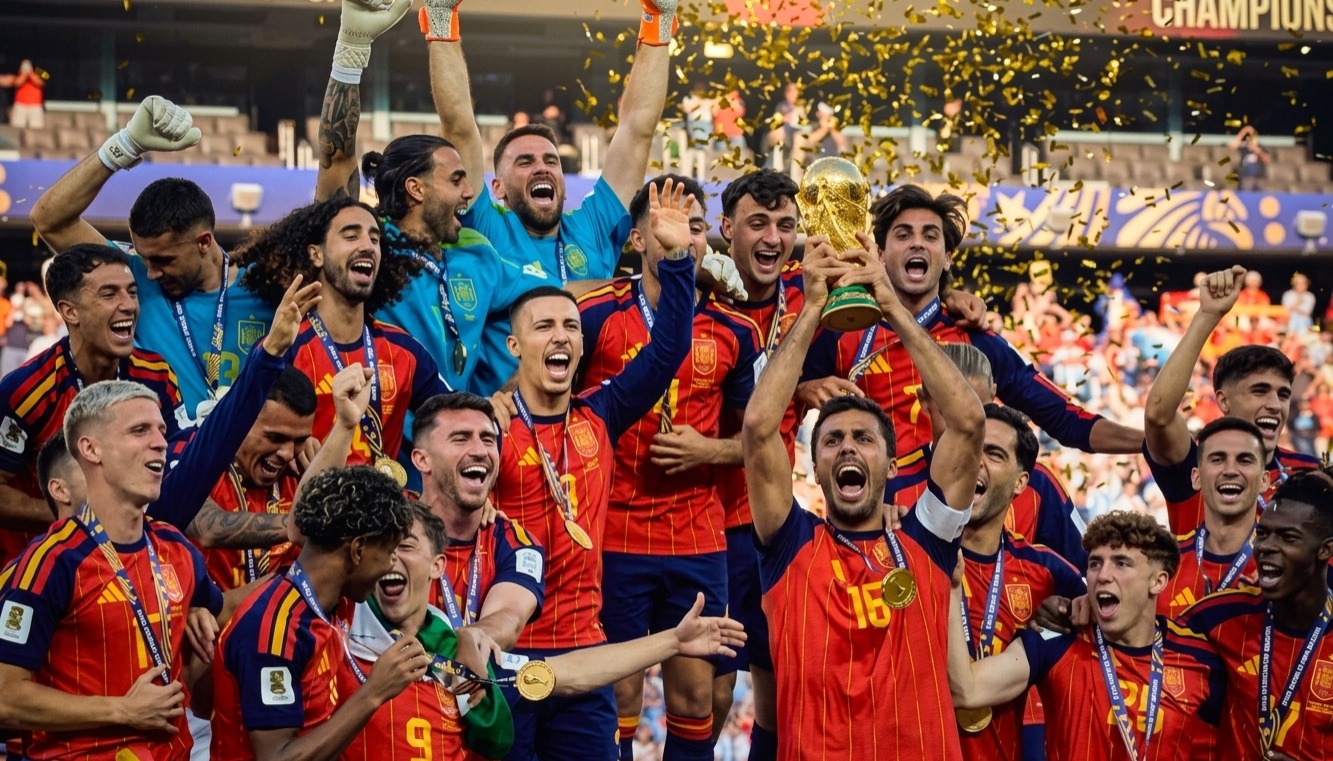
Although Argentina reached the final after defeating England, their dream of winning the title remained unfulfilled. In the final, Messi’s side lost 1–0 to Spain and finished as runners-up.
Responding to criticism regarding the final, Lautaro stated that the team gave everything they had to win the title. He noted that the semi-final against England had left the squad both physically and mentally exhausted. Nevertheless, he maintained that the players fought until the very last moment in the final.
Lautaro said, "We had chances right up until the final moments. It’s frustrating when people come up with such theories, because it’s clear that we gave our all—and that gives us peace of mind. Our opponents were simply very strong."
A Victory That Evokes Memories of Maradona
To commemorate the win against England, the Argentine Football Association has declared July 15th as National Football Day. The match also brought back memories of Argentina’s historic victory over England in the 1986 World Cup quarter-final—a game defined by Diego Maradona’s controversial "Hand of God" goal and his famous solo effort, both of which have become iconic moments in football history.
Reflecting on the World Cup as a whole, Lautaro remarked that every match was a challenge. Throughout the tournament, however, the team forged a deep connection with their supporters. In his view, Argentina is a side that never gives up and always strives for improvement. The team’s leader, Messi, has also instilled in them the importance of continuing to fight, even when faced with adversity.
Editorial Note: This text has been compiled based on the information provided. Before publication, it is advisable to verify details—such as the 2026 World Cup semi-final, match dates, results, and quotes—against reliable sources.