
Who Is Abdul El-Sayed, Set to Become the First Muslim Senator in US History?
97 Repoter: 97 Admin
Publish : 1 hour agoUpdate: 4 minutes ago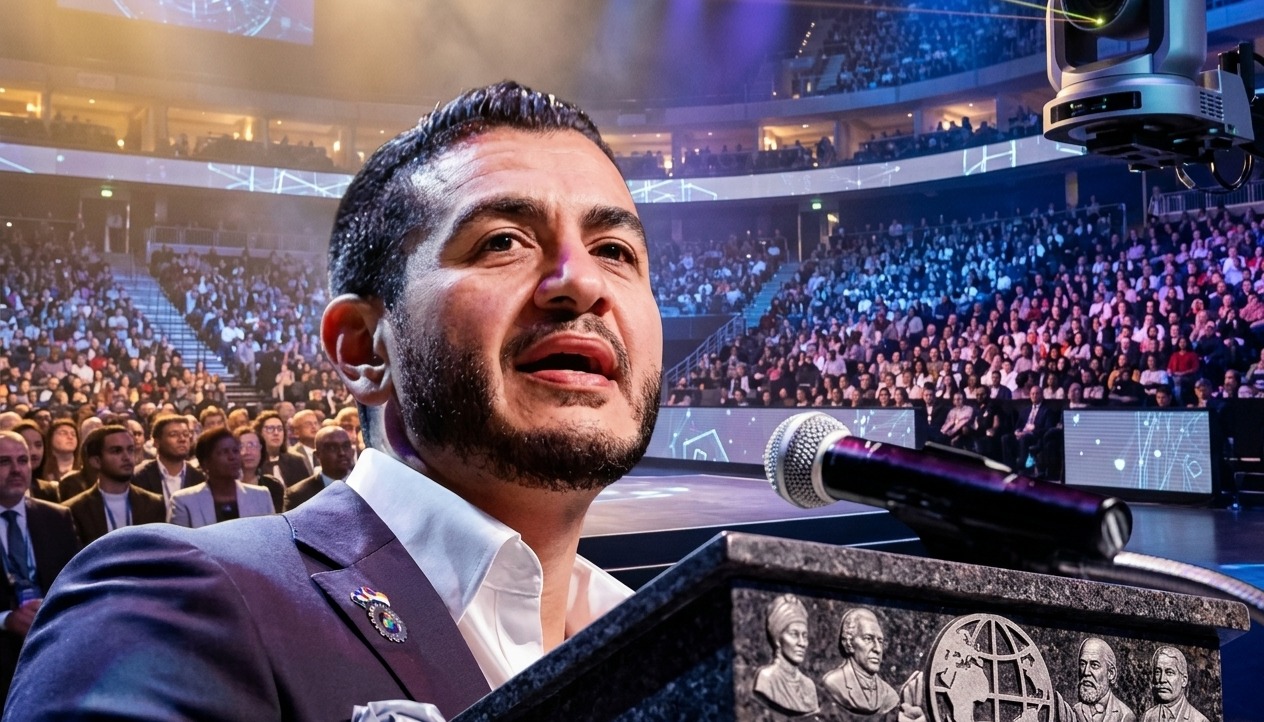
Who Is Abdul El-Sayed, Set to Become the First Muslim Senator in US History?
Who Is Abdul El-Sayed, Set to Become the First Muslim Senator in US History?
Abdul El-Sayed has made history in American politics. The 42-year-old Democrat won Michigan’s 2026 US Senate election, defeating Republican candidate Mike Rogers. His victory is set to make him the first Muslim American to serve in the US Senate in its 237-year history.
The Senate began operating in 1789, and no Muslim American had previously served as one of its members. El-Sayed will succeed retiring Democratic Senator Gary Peters, marking a significant moment for Muslim representation in American politics.
His campaign also brought several major political debates into focus, including healthcare, the rising cost of living, corporate influence in politics and US support for Israel. His opposition to American military assistance to Israel became one of the most contentious issues of the campaign.
Early Life and Education
Abdul El-Sayed was born in Rochester Hills, Michigan. His father is an Egyptian immigrant, and El-Sayed grew up in Michigan.
He graduated from the University of Michigan in 2007 with degrees in biology and political science. He later received a Rhodes Scholarship to study at the University of Oxford in the United Kingdom, earning a doctorate in public health in 2011.
In 2014, he completed his medical degree at Columbia University. Rather than pursuing a career treating individual patients, El-Sayed chose to focus on public health and improving healthcare systems. He also worked as a faculty member in public health at Columbia.
Career in Public Health
In 2015, El-Sayed became executive director of the Detroit Health Department. He was involved in efforts to rebuild public health services following the city's financial crisis and remained in the position until 2017.
He entered electoral politics in 2018, running for the Democratic nomination for governor of Michigan. However, he lost the primary to Gretchen Whitmer.
From 2022 to 2025, he served as director of the Wayne County Department of Health, Human and Veterans Services. Detroit is located within Wayne County.
Political Comeback and Historic Senate Victory
El-Sayed returned to electoral politics in 2026. On August 4, he defeated US Representative Haley Stevens in the Democratic Senate primary in Michigan, securing his party's nomination.
His campaign received support from prominent progressive politicians, including Senator Bernie Sanders, Representative Alexandria Ocasio-Cortez and Michigan Representative Rashida Tlaib.
El-Sayed campaigned on expanding healthcare access through a Medicare for All programme, reducing housing costs, limiting the influence of wealthy and corporate donors in politics, and improving economic opportunities for working families.

His Muslim identity and position on Israel also became prominent issues during the campaign. El-Sayed described Israel's military campaign in Gaza as genocide and called for an end to unconditional US military assistance to Israel. His views drew criticism from political opponents and other groups.
In the general election, El-Sayed defeated Republican Mike Rogers to win the seat being vacated by Gary Peters. His victory marks a new chapter in the history of religious and cultural representation in the United States Senate.